
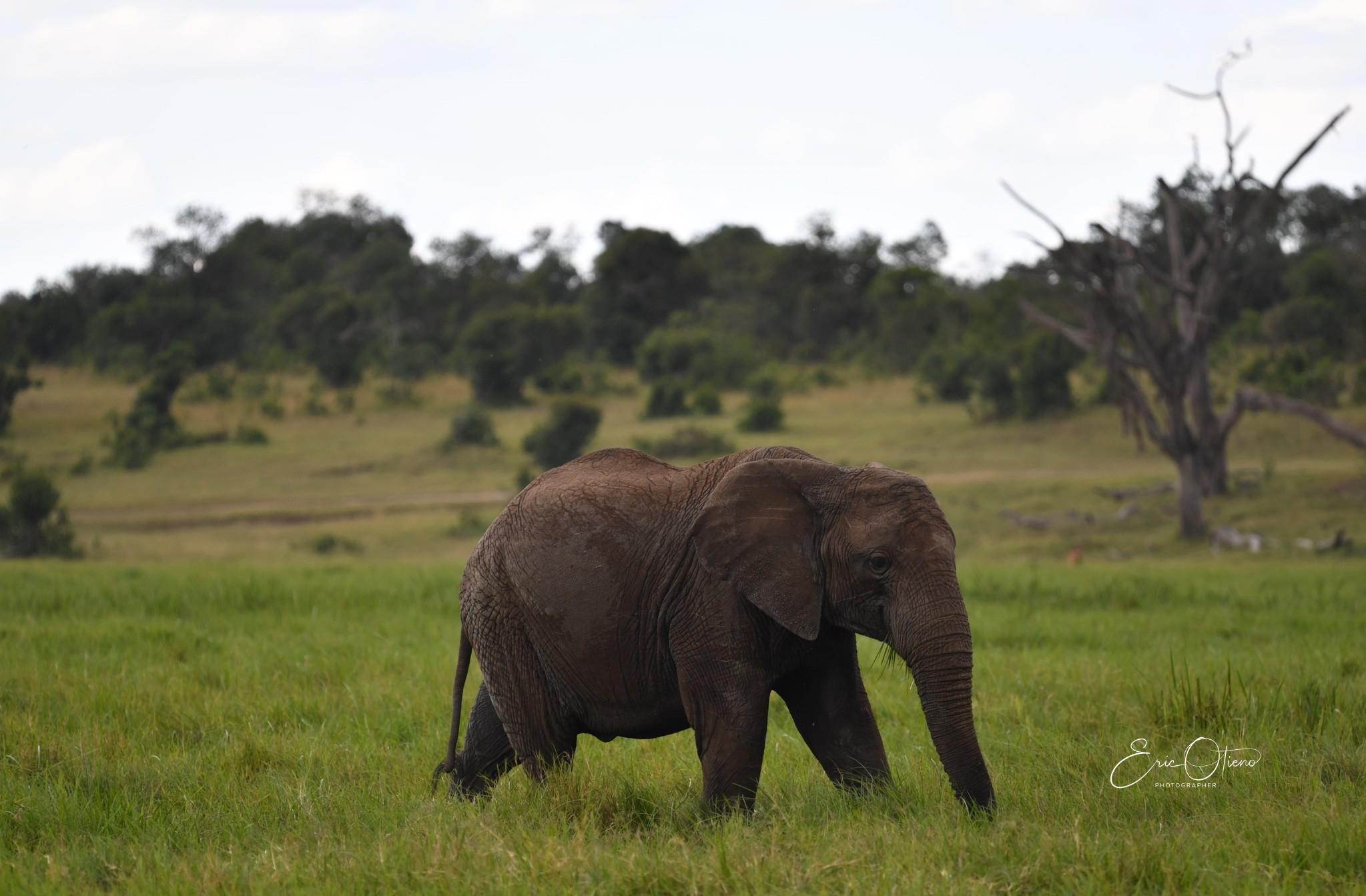
A game drive in Ol Pejeta is usually a mix of classic wildlife viewing and a strong conservation story. The conservancy covers about 90,000 acres in Laikipia, so the day is not limited to one fenced rhino enclosure or a single famous attraction. You drive through open grassland, bush and riverine habitat looking for wildlife as it moves naturally through the landscape.
What should I expect from a game drive at Ol Pejeta Conservancy?
Rhinos are a major reason people visit. Ol Pejeta is one of Kenya's most important rhino conservation areas, and it is also associated with the last two northern white rhinos. The conservancy supports many other species, including elephants, buffaloes, lions, cheetahs, giraffes, zebras and numerous antelopes. The Sweetwaters Chimpanzee Sanctuary adds another conservation dimension, although a chimpanzee visit is a separate experience from simply driving through the conservancy.
The pace of the drive should feel unhurried. A good safari is not a race between sightings. Your guide will read tracks, scan likely habitats and respond to fresh information while keeping to the conservancy's rules. Some drives produce a quick sequence of sightings; on others, the pleasure lies in watching one animal for longer or understanding how the landscape supports the wildlife around it.
For an ESA Safaris itinerary, the exact programme should be confirmed in your quotation: game-drive times, accommodation, optional conservation experiences and whether Ol Pejeta is combined with another Laikipia destination can all change the shape of the visit.
Which animals are easiest to spot at Ol Pejeta?
Rhinos are among the species most strongly associated with Ol Pejeta, and the conservancy gives visitors an excellent chance to learn about both black and white rhino conservation. Plains animals such as zebras, giraffes, buffaloes and several antelope species are also commonly encountered, while elephants are regular residents of the wider landscape.
Big cats and African wild dogs are present, but they are never guaranteed. Lions may be found by reading fresh tracks or following prey activity; leopards can remain hidden in thicker cover; cheetahs and wild dogs can range widely. The value of the conservancy is therefore not that every guest sees the same checklist, but that a relatively compact safari area supports a very broad range of wildlife.
The best approach is to tell your guide what interests you most. A first-time visitor may want a broad introduction, while a photographer may prefer to spend longer with one subject or focus on rhinos, birds or behaviour rather than rushing to the next sighting.
Why Ol Pejeta changes the answer
A 90,000-acre conservancy in Kenya's Laikipia region known for rhino conservation, broad open country, varied wildlife and conservation-focused visitor experiences. The landscape changes between open grassland, bush, riverine habitat and views towards Mount Kenya, so a drive can feel very different from one hour to the next.
Wildlife viewing is possible throughout the year; drier periods can make animals easier to locate around water and shorter grass, while greener months bring fresh landscapes, migrant birds and dramatic skies.
Wildlife does not follow a timetable
Guides improve your chances through experience, tracking and knowledge of the landscape, but wild animals choose where to move. Weather, water, prey, breeding and disturbance all influence a sighting.
The best game drives allow enough time to observe behaviour. A quiet twenty minutes with one animal can reveal more than a hurried search for a longer species list.
Before you book or travel
- Tell ESA Safaris which species or behaviours interest you most, while keeping expectations realistic.
- Ask how much time the itinerary allows in the wildlife area, not only how many destinations it names.
- Pack binoculars if you enjoy observing behaviour rather than relying only on the guide's equipment.
- Follow the driver-guide's decisions on distance, positioning and when to move on.
Frequently Asked Questions
Are wildlife sightings guaranteed?
No. A responsible safari operator cannot guarantee a wild animal. Guides improve the chances through local knowledge and fieldcraft, but weather, habitat and animal movement still matter.
Is an early game drive always better?
Early morning is often productive because temperatures are cooler, but good sightings can happen at any time. The best schedule depends on the destination and conditions.
Can I ask the guide to move closer?
You can explain what you hope to see or photograph, but the driver-guide decides the safe and permitted distance. Wildlife welfare and park rules come first.
Do binoculars make a difference?
Yes. Binoculars help with birds, distant animals and behaviour that is easy to miss with the naked eye, even when you also carry a camera.
Plan the details around your trip
If wildlife is the main reason for your trip, tell ESA Safaris which habitats and species interest you most. The team can shape the route around the right regions and enough time in the field, without pretending that wild animals can be scheduled.


